For founders of proven organizations

You built something that works. It still can’t happen without you.

That’s my work. I help people who’ve proven something in one place turn it into an organization that doesn’t run through them.

Three seats.Buyer. Operator. Investor-facing leader.

12 years.Building Westrock Coffee’s commercial organization.

One first-year turnaround.A proven product with an organization that needed rebuilding.

Is this you?

The work still finds its way back to you.

  • Everything still comes back to me.
  • I can’t take a week off without something breaking.
  • I’ve hired good people and I’m still doing the job.
  • We grew, and now nobody is sure who decides what.

If more than one is true, you probably don’t have a strategy problem. You have an organization that has outgrown the way it is being run.

Selected results

The useful test is what changed.

The names stay private. The work and the outcomes do not need embellishment.

Food & beverage

A commercial organization built for the next stage.

The situation
A product was selling, but the commercial team had been assembled rather than designed.
The work
Rebuilt relationship ownership, decision rights, team structure, and the brief for a commercial leader.

OutcomeThe commercial leader was hired. The hire stuck.
Mission organization

A growth plan built on an honest view of the market.

The situation
The organization was ready to grow and did not yet know what the market would support.
The work
Mapped the existing field, the genuine gaps, and who would fund the work before building the plan.

OutcomeThey knew where not to go—and where they could be genuinely different.

The work

Four stages. You’ll always know which one we’re in.

No two engagements are identical, but the movement is consistent. The scope, the stage, and the finish line are made clear at the beginning.

  1. 01 Listen 2–3 weeks

    Conversations with you, your team, and as many customers as will take the call. The same handful of questions, asked enough times for the pattern to become visible.

    QuestionWhat can’t happen when you’re not in the room?

  2. 02 Map A plain picture

    Not a deck. A short account of who owns what, where work piles up, which seats fit, and what will break first if the organization doubles.

    OutputA written organizational map people can recognize and use.

  3. 03 Build 2–4 months

    Roles written down and agreed to. A customer owner other than the founder. A meeting and decision rhythm that runs without one person chairing it. The hires and moves that follow.

    PrincipleYour team does the work. I stay close enough to be useful without becoming the new bottleneck.

  4. 04 Exit A date set at the start

    We agree what must be true for the engagement to be finished. When it is true, I go. Any continued work is a new decision with a new scope.

    Finish lineAn organization that can carry the work without transferring the dependence to me.

Who I work with

People running something that deserves to be bigger.

A strong fit

The thing works. The organization has not caught up yet.

  • Founders and chief executives of proven organizations
  • Health and wellness, educational expansion, food and beverage
  • Mission organizations taking a proven model into more communities
  • Leaders willing to give access to their team and customers

Not the work

This is not zero-to-one, a strategy deck, or an outsourced operating role.

If the thing has not worked yet, I am the wrong person. I do not arrive with a team of associates, take a permanent job inside your company, or hand over a document and call the problem solved.

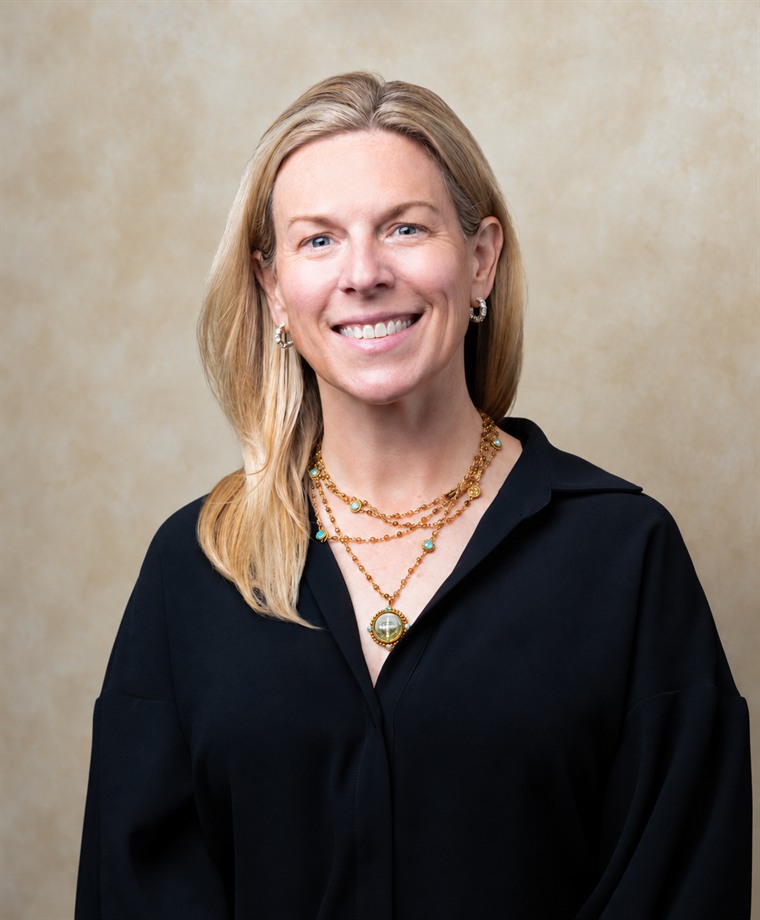
Elizabeth McLaughlin

About

Elizabeth McLaughlin Founder, Red Wagon Group

Three seats, one company.

I’ve sat across the table from the buyer, run the organization that had to deliver what we promised, and stood in front of investors explaining the number out loud.

Most advisers have done one of those. Having done all three is why I can usually see where an organization is actually stuck—and which people problem is wearing a process costume.

  • Turnaround operatorA Richmond research firm founded in 1964, turned around in the first year.
  • Commercial builderTwelve years at Westrock Coffee, helping carry the company from small to publicly traded.
  • Mission-led expansionLed the initiative to build an early childhood center for coffee-producing families in western Rwanda.
The longer version is on LinkedIn

Why Red Wagon

The wagon was always the point.

The name comes from my childhood, pulling a red wagon around to collect cans and build something from what was already there. That is still roughly the job: find what matters in what you have built, then give it the structure to go farther than you could carry it yourself.

Gather what matters. Move it forward.
Carry what counts. Build what lasts.

Red Wagon Group · Start here

Let’s talk about what you’re carrying.

Half an hour, no materials, and one question: what can’t happen when you’re not in the room?

If the answer comes back short and specific, we’ll both know quickly whether there is work here. If there is not, I’ll say so—and I will usually know somebody who is a better fit.